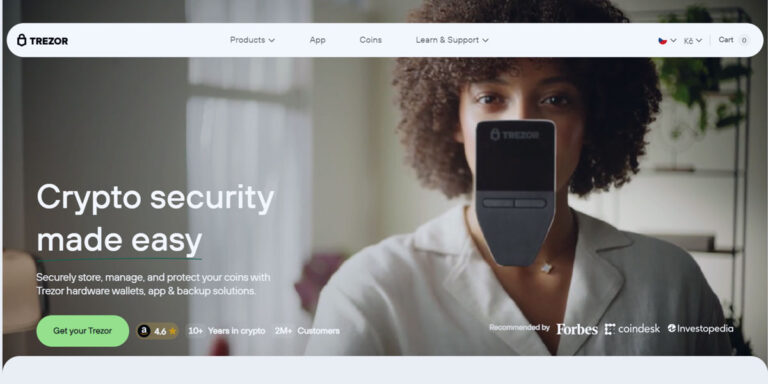
Trezor.io/Start — Your Complete Guide to Setting Up a Trezor Wallet
Setting up a Trezor hardware wallet is a crucial step toward safeguarding your cryptocurrency. Whether you’re a complete beginner or looking for a structured, step-by-step guide, this resource will walk you through every aspect of initializing your Trezor device. By the end, you’ll understand how to set up your wallet, secure your recovery phrase, manage accounts, and confidently send or receive crypto—all with maximum security.
Introduction: Why Choose Trezor?
Trezor wallets, developed by SatoshiLabs, are among the most trusted hardware wallets in the cryptocurrency space. Unlike software wallets, Trezor stores your private keys offline, significantly reducing exposure to hacking, malware, and phishing attacks. Your private keys never leave the device, ensuring that even if your computer is compromised, your crypto remains protected.
Visiting Trezor.io/start gives you access to official setup instructions, firmware updates, and support directly from the source, keeping you safe from counterfeit guides or scam downloads.
Step 1: Unboxing Your Trezor Device
A standard Trezor package includes:
Trezor device (Trezor One or Trezor Model T)
USB cable for connecting to your computer or mobile device
Recovery seed card for writing down your recovery phrase
Quick start guide
Security instructions
Important: If your device arrives with a pre-written recovery phrase, do not use it. This is a security risk, and the device should be returned immediately.
Step 2: Visit the Official Start Page — Trezor.io/start
Go to Trezor.io/start using a trusted browser. This page ensures you download the official Trezor Suite software (desktop and mobile), firmware updates, and access setup instructions specifically for your device model. Avoid downloading any Trezor software from third-party websites to protect your assets from phishing attacks.
Step 3: Download and Install Trezor Suite
Trezor Suite is the official app that acts as your device management hub. It allows you to:
Set up your Trezor wallet
Install firmware updates
Manage multiple crypto accounts
Send and receive cryptocurrency
Connect securely to DeFi platforms and Web3 apps
Trezor Suite is available for Windows, macOS, Linux, iOS, and Android. After installation, launch the app and follow the on-screen instructions.
Step 4: Connect Your Trezor Device
Plug your Trezor device into your computer or mobile device using the supplied USB cable. For some models, such as the Trezor Model T, a touchscreen is available for direct input, making navigation more intuitive. When connected, your device will display a welcome message and prompt you to either create a new wallet or recover an existing one.
Step 5: Initialize Your Device
Trezor offers two main options:
Create a new wallet – Generates a new set of private keys.
Recover wallet from recovery seed – Restores an existing wallet using your recovery phrase.
If this is your first Trezor, choose Create a new wallet.
Step 6: Set Up a PIN Code
Next, you will create a PIN code for your Trezor. The PIN acts as a safeguard if someone gains physical access to your device.
Tips for a secure PIN:
Choose a unique combination, not easily guessable
Memorize it; Trezor cannot recover a forgotten PIN
Avoid using birthdays, repeated numbers, or obvious sequences
Entering the wrong PIN too many times will temporarily lock your device, protecting your assets.
Step 7: Write Down Your Recovery Seed
The recovery seed is the most critical aspect of Trezor security. Your device will generate a 12, 18, or 24-word recovery phrase, depending on your Trezor model and settings.
Rules for safety:
Write each word carefully on the supplied recovery card
Keep it offline—never take a photo or store digitally
Never share your recovery phrase
Only enter your recovery phrase directly on your device during setup
Your recovery phrase is the only backup of your crypto. Anyone who has it can access your funds.
Step 8: Verify Your Recovery Seed
After writing the words, Trezor will ask you to verify them by selecting the correct words in order. This ensures that your backup is accurate and complete. Verification prevents mistakes that could lock you out of your crypto permanently.
Step 9: Install Firmware (If Required)
Trezor devices may require a firmware update before first use. Firmware updates improve security, add support for new cryptocurrencies, and optimize device functionality. Trezor Suite guides you through the process safely:
Connect your Trezor device
Follow prompts in Trezor Suite
Confirm installation on the device screen
Updating firmware does not affect your crypto holdings if done correctly.
Step 10: Add Cryptocurrency Accounts
Once your device is initialized, you can add accounts for different cryptocurrencies within Trezor Suite. Each account allows you to manage a specific asset, such as Bitcoin, Ethereum, or Cardano.
Steps:
Open Trezor Suite
Click “Add Account”
Choose the cryptocurrency
Confirm on your device
Trezor supports hundreds of cryptocurrencies and ERC-20 tokens.
Step 11: Receiving Crypto
To receive cryptocurrency:
Open Trezor Suite and select your desired account
Click Receive
Verify the address on your device screen
Share the address with the sender
Always verify addresses on the device itself to ensure they match what’s displayed on your computer. This protects you from malware attempting to change the address.
Step 12: Sending Crypto Safely
To send cryptocurrency:
Select the account
Click Send
Enter recipient address and amount
Confirm transaction on your Trezor device
The device signs the transaction offline, ensuring your private keys never leave the hardware wallet.
Step 13: Advanced Security Features
Trezor offers additional security layers:
Passphrase protection – Adds an extra word to your recovery seed for creating hidden wallets
Two-factor authentication (2FA) – Use Trezor as a U2F security key for compatible services
Password manager – Securely store and autofill credentials using Trezor Suite
These features enhance security while maintaining full control over your funds.
Step 14: Using Trezor for DeFi and Web3
With your Trezor setup, you can interact securely with:
Decentralized exchanges (DEXs)
Ethereum and Solana DeFi protocols
Web3 applications and NFT marketplaces
Trezor acts as a signing device, preventing your private keys from being exposed to potentially malicious smart contracts or websites.
Step 15: Backup and Recovery
If your device is lost, stolen, or damaged, your crypto can be recovered using your recovery seed:
Obtain a new Trezor device
Choose “Recover wallet” during setup
Enter all recovery words in the correct order
Restore accounts in Trezor Suite
Your funds are safe as long as the recovery seed remains private.
Step 16: Best Practices for Long-Term Security
To maintain optimal security:
Keep your recovery seed offline in a secure location
Consider a fireproof or metal backup
Never share your PIN or recovery phrase
Only download Trezor Suite from the official website
Avoid entering recovery words on any computer or website
Update firmware promptly when notified by Trezor Suite
Following these practices ensures that your digital assets remain secure against theft or accidental loss.
Final Thoughts
Trezor.io/start is your trusted entry point for initializing a Trezor wallet. By following this comprehensive guide—from unboxing and installing Trezor Suite to securing your recovery phrase and managing crypto—you’ve taken full control of your digital assets.
A Trezor wallet allows you to:
Keep private keys offline for maximum security
Store multiple cryptocurrencies and tokens
Interact safely with DeFi and Web3
Recover your crypto in any scenario using your recovery seed
By investing the time to set up your Trezor wallet carefully, you are protecting your crypto against hacks, scams, and human error. This guide empowers you to confidently own and manage your digital wealth.