Getting Started with Your Trezor Wallet: The Complete Beginner’s Guide
Cryptocurrencies offer unmatched control over your own money, but that control comes with responsibility. Securing your digital assets is essential, and one of the most reliable ways to do this is by using a hardware wallet. Trezor devices are designed to keep your private keys offline, making them much less vulnerable to hacking or malware. This comprehensive guide will walk you through everything you need to know to set up your Trezor wallet safely and effectively using Trezor.io/Start. From unboxing to advanced security practices, you’ll gain the knowledge and confidence to manage your cryptocurrency securely.
Introduction: Why Choose a Trezor Hardware Wallet
Owning cryptocurrency is empowering, but it also means you are entirely responsible for its security. Unlike a bank account, there is no customer service hotline to recover lost funds if your private keys are compromised.
Trezor wallets store your private keys in a secure, offline environment. This offline storage ensures that even if your computer or phone is compromised, your cryptocurrency remains safe. Whether you are holding Bitcoin, Ethereum, or dozens of other cryptocurrencies, a Trezor wallet provides a reliable foundation for managing your digital wealth.
1. Preparing for Setup
Before you start, it’s important to prepare:
Your Trezor device (Trezor One or Trezor Model T)
A computer or smartphone with a compatible browser
A reliable internet connection
Pen and paper for recording your recovery seed
A calm and secure environment to prevent distractions
Inspect the box carefully. Ensure that the packaging is sealed and has not been tampered with. A Trezor device should never come pre-configured or with a pre-written recovery seed.
2. Navigating to Trezor.io/Start Safely
Security starts before you even touch your wallet. Phishing websites that mimic Trezor’s official site are common. To stay safe:
Type the URL manually rather than clicking a link.
Ensure the website uses HTTPS.
Confirm that the domain is Trezor.io.
This step ensures you download the authentic Trezor Suite software for setup.
3. Downloading and Installing Trezor Suite
Trezor Suite is the official application for managing your wallet. It enables you to:
Initialize your device
Manage accounts
Send and receive cryptocurrencies
Update firmware
Steps to install Trezor Suite:
Visit Trezor.io/Start and download the appropriate version for your operating system (Windows, macOS, Linux).
Run the installer and follow the prompts.
Open the Suite once installation is complete.
Avoid downloading Trezor Suite from any unofficial sources, as counterfeit software could compromise your wallet.
4. Initializing Your Trezor Wallet
When you open Trezor Suite:
Connect your Trezor device to your computer or smartphone using the supplied USB cable.
Select “Create a new wallet” if you are starting fresh.
Follow the on-screen instructions.
You will be prompted to set up your PIN and create a recovery seed. This process ensures your wallet is secure from the outset.
5. Setting Up Your PIN Code
Your PIN is the first line of defense if your device is lost or stolen.
Best practices for PIN creation:
Choose a PIN that is 4–8 digits long.
Avoid simple patterns like “1234” or repeated digits.
Never share your PIN with anyone.
Memorize it rather than storing it digitally.
Entering the PIN on your Trezor device ensures that it is never exposed to your computer or smartphone.
6. Writing Down Your Recovery Seed
Your recovery seed is the ultimate key to your crypto. Trezor generates a 12- or 24-word seed during setup, depending on your device.
Important guidelines:
Write down every word exactly as displayed.
Use the recovery card included in your Trezor box or other secure paper.
Never photograph or store the seed digitally.
Keep it private and in a secure location.
This seed allows you to recover your funds on a new device if your Trezor is lost, stolen, or damaged.
7. Confirming Your Recovery Seed
Trezor will ask you to confirm your recovery seed by selecting each word in order on the device. This step verifies that you wrote it down correctly. Accuracy is crucial—one mistake can prevent you from restoring your wallet in the future.
8. Installing Cryptocurrency Apps (Trezor Model T)
For Trezor Model T, some cryptocurrencies require additional apps. Use Trezor Suite to install apps for coins you plan to manage.
For example:
Bitcoin app for Bitcoin
Ethereum app for Ethereum
Litecoin app for Litecoin
The apps do not store your private keys; they only facilitate interaction with the blockchain.
9. Adding Accounts
Once apps are installed:
Open Trezor Suite.
Click “Add Account”.
Choose the cryptocurrency to manage.
Sync the account with the blockchain.
You can now view balances, transaction history, and portfolio data directly in Trezor Suite.
10. Receiving Cryptocurrency
To receive funds:
Open Trezor Suite.
Select Receive.
Verify the address shown on your device screen.
Share the address with the sender.
Always double-check the address on your device. Malware can manipulate addresses on your computer, but Trezor’s verification process prevents this.
11. Sending Cryptocurrency
Sending cryptocurrency is straightforward:
Open Trezor Suite and select Send.
Enter the recipient’s address.
Choose the transaction fee.
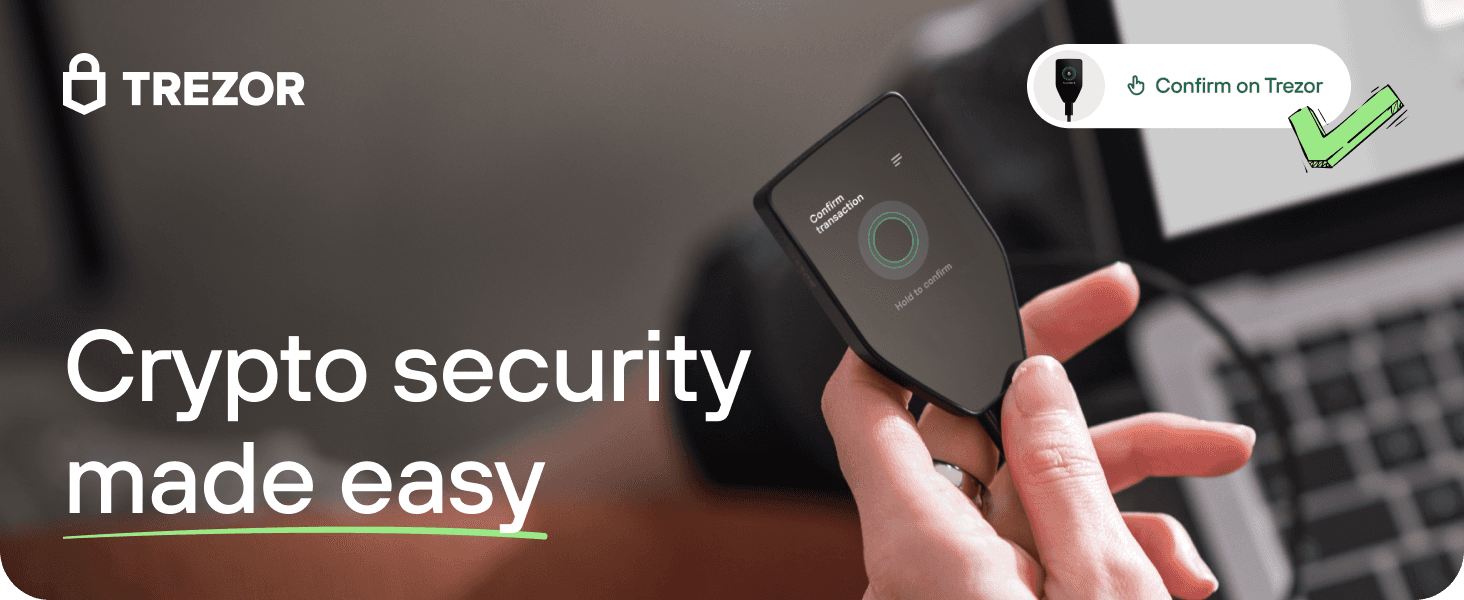
Confirm the transaction on your Trezor device.
Transactions are broadcast to the network after device approval, keeping your private keys offline throughout the process.
12. Keeping Your Trezor Secure
Maintaining wallet security is an ongoing responsibility:
Never share your recovery seed or PIN.
Avoid phishing attacks by always visiting official websites.
Keep firmware and Trezor Suite updated for the latest security patches.
Store your device and seed safely, possibly using fireproof or waterproof options.
Physical security is as important as digital security.
13. Recovery Procedures
If your Trezor is lost, stolen, or damaged:
Obtain a new Trezor or compatible hardware wallet.
Choose Recover Wallet during setup.
Enter your recovery seed to restore your funds.
Your recovery seed is the ultimate backup—losing it means losing access to your cryptocurrency permanently.
14. Advanced Features and Tips
Once you are comfortable with Trezor:
Passphrase protection adds an extra layer of security.
Hidden wallets can separate spending funds from main holdings.
Staking and earning rewards is possible with supported cryptocurrencies.
Integration with DeFi applications allows safe interaction with decentralized finance platforms.
Always verify third-party applications before connecting them to your wallet to ensure compatibility and security.
Conclusion: Start Your Secure Crypto Journey
Setting up a Trezor wallet is one of the most effective ways to protect your cryptocurrency. Following the steps outlined in this guide—and using Trezor.io/Start for official instructions—ensures your assets remain secure.
From setting up your device, creating a PIN, safely recording your recovery seed, and managing crypto accounts, to implementing advanced security features, Trezor gives you both control and peace of mind.
With your Trezor wallet properly configured, you can confidently explore the world of cryptocurrency, knowing your digital assets are protected by industry-leading hardware security.