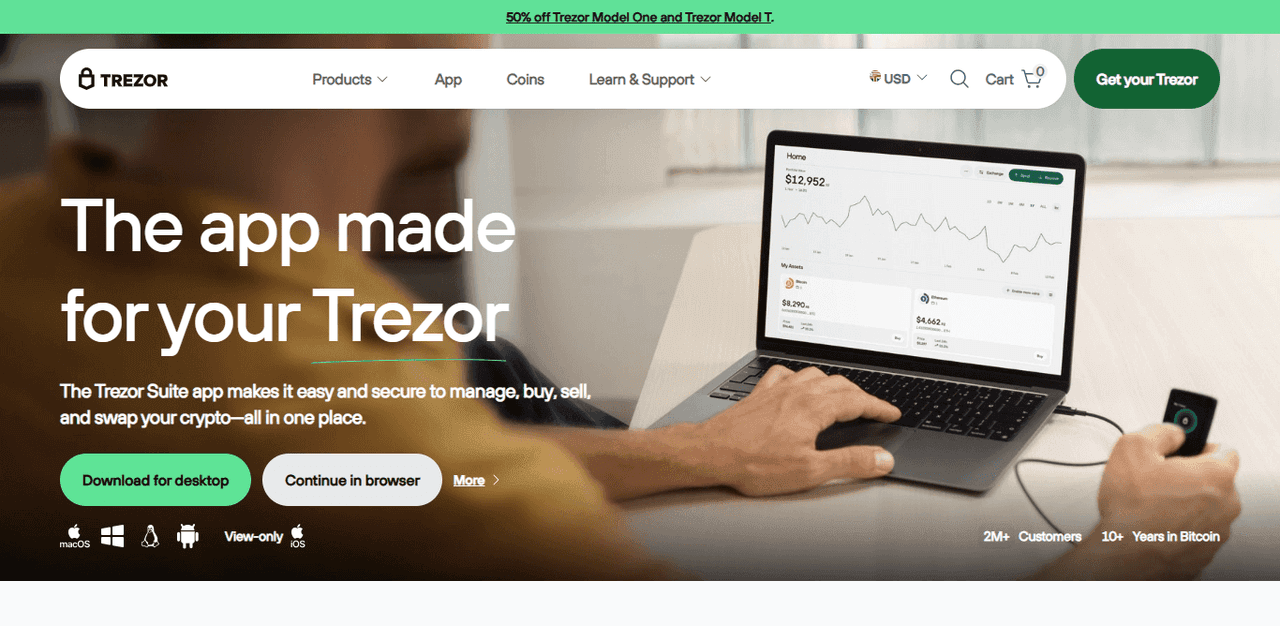
Trezor.io/Start – Your Complete Guide to Getting Started with Trezor
Setting up a Trezor hardware wallet is one of the most important steps for anyone looking to securely manage cryptocurrency. This guide will walk you through the entire process from unboxing your device to confidently using Trezor Suite, covering everything beginners and experienced users need to know. By the end, you’ll have the tools and knowledge to safely store, send, and receive crypto assets while keeping your private keys fully secure.
Introduction: Why Choose Trezor and Hardware Wallets
Owning cryptocurrency comes with both opportunity and responsibility. Security is a critical concern, and hardware wallets like Trezor are among the safest ways to protect your digital assets. Unlike software wallets, which store private keys online or on potentially vulnerable devices, Trezor stores your keys offline. This makes it far less susceptible to hacking, malware, and phishing attacks.
Trezor.io/start is the official starting point for new Trezor users. It provides verified downloads, step-by-step instructions, and security guidance to ensure your wallet is set up safely. Starting anywhere else can expose you to risks such as counterfeit devices or malicious software. This guide outlines what to expect from the setup process and how to use Trezor securely in the long term.
Step 1: Unboxing Your Trezor Device
When you first receive your Trezor hardware wallet—whether it’s a Trezor Model T or Trezor One—carefully inspect the packaging. Official Trezor devices are sealed and tamper-evident. Never use a device that looks pre-initialized or altered in any way.
A typical Trezor package includes:
The Trezor device
USB cable for connecting to a computer or mobile device
Recovery seed cards for writing down your backup
Instructions and warranty information
Before powering up, verify the device is genuine and factory-sealed. Using a compromised device can put your cryptocurrency at risk.
Step 2: Visiting Trezor.io/Start
To begin setup, open your web browser and navigate to Trezor.io/start. This is the official starting point for downloading Trezor Suite, the software application used to manage your accounts, update firmware, and interact with cryptocurrencies.
Trezor Suite is available for Windows, macOS, Linux, and also offers mobile options. Always download software from Trezor.io to avoid counterfeit or malicious versions. Third-party downloads are a common method used by attackers to steal crypto assets.
Once downloaded, launch Trezor Suite to begin setup.
Step 3: Initializing Your Trezor Device
When you launch Trezor Suite, you’ll be prompted to either set up a new device or recover an existing wallet. Select “Create a new wallet” if you’re starting fresh.
Creating a PIN
Your Trezor device will require you to create a PIN. This PIN adds an extra layer of protection: even if someone physically steals your device, they cannot access your funds without the PIN.
Choose a unique, hard-to-guess PIN
Memorize it; do not store it digitally
Generating Your Recovery Seed
The recovery seed is the most important part of your wallet. Trezor devices generate a 12, 18, or 24-word recovery phrase offline. This phrase is your backup and the only way to recover your assets if your device is lost or damaged.
Key safety rules:
Write the seed on the recovery card provided; do not store it digitally
Keep it offline and secure
Never share it with anyone, including customer support
No one should ever ask for your seed
After recording the words, Trezor Suite will prompt you to confirm them on the device to ensure accuracy.
Step 4: Installing Cryptocurrency Wallets
Trezor supports hundreds of cryptocurrencies. Each asset requires a compatible wallet app in Trezor Suite. For example, to manage Bitcoin, you’ll use the Bitcoin wallet; for Ethereum and ERC-20 tokens, you’ll use the Ethereum wallet.
Installing wallets through Trezor Suite is simple:
Open Trezor Suite
Navigate to the “Manage Wallets” section
Select the cryptocurrencies you want to add
Connect your Trezor device and follow on-screen instructions
After installation, you can view balances, receive transactions, and interact with your assets securely.
Step 5: Adding Accounts
Once wallets are installed, you can add accounts in Trezor Suite. An account is essentially a view of your blockchain addresses. Your private keys remain securely stored on the device, ensuring maximum security.
To add an account:
Open Trezor Suite
Select “Add Account”
Choose the cryptocurrency
Allow Trezor Suite to sync with the blockchain
After synchronization, your account is ready for sending and receiving funds.
Step 6: Receiving Cryptocurrency
Receiving crypto is simple and secure with Trezor:
Select the account you want to receive funds into
Generate a receiving address through Trezor Suite
Confirm the address on your Trezor device
Confirming on the physical device ensures malware cannot alter the receiving address. Once verified, share the address with the sender.
Step 7: Sending Cryptocurrency
To send funds:
Connect your Trezor and open Trezor Suite
Select the account to send from
Enter the recipient’s address and the amount
Confirm transaction details on your Trezor device
No transaction can be completed without your manual approval on the device, which provides strong protection against unauthorized transfers.
Step 8: Firmware Updates
Firmware updates are critical for security and performance. Trezor Suite will notify you when a firmware update is available. Only install updates through the official software and on your Trezor device. Never install firmware from unknown sources.
Step 9: Restoring a Trezor Wallet
If your device is lost, stolen, or damaged, you can recover your wallet on a new Trezor device using your recovery seed. During setup, select “Recover wallet” and enter your seed words exactly as written. Your assets reside on the blockchain, so the recovery phrase gives you full access.
Security Best Practices
Never Share Your Recovery Seed
This is the most important rule. No legitimate support staff will ever ask for it.
Beware of Phishing and Fake Sites
Always verify URLs and avoid clicking suspicious links.
Keep Software Updated
Regular updates include security patches that protect your funds.
Verify All Addresses
Always check that addresses match on your Trezor device before sending funds.
Store Your Recovery Seed Securely
Consider fireproof and waterproof backup options.
Using Trezor for Web3 and NFTs
Trezor can integrate with decentralized apps (dApps) and NFT platforms via Trezor Suite or third-party wallets like MetaMask using WalletConnect.
When connecting to Web3 platforms:
Confirm smart contracts and addresses
Only connect to trusted sites
Approve all actions on the Trezor device
This ensures that transactions cannot be executed without your explicit consent.
Troubleshooting Tips
Common issues include:
Device not recognized: Check USB cables, ports, or try a different computer
Device locked: Enter your PIN correctly; repeated failed attempts may require recovery
Wallets not displaying: Ensure proper app installation and device connection
Trezor support provides extensive guides for resolving these issues safely.
Why Trezor.io/Start Matters
Using Trezor.io/start guarantees that you are downloading legitimate software, following verified setup instructions, and avoiding scams. In the crypto world, starting on an official page is crucial for security.
By following the official start guide, you protect yourself from counterfeit devices, phishing attacks, and malware. This ensures a safe and reliable crypto experience.
Final Thoughts
A Trezor hardware wallet is a smart investment for anyone serious about cryptocurrency security. It provides offline key storage, physical transaction approval, and protection from online threats.
Trezor.io/start is your gateway to setting up the device correctly and confidently. By following these instructions, you ensure that your crypto is safe and under your control. With secure habits, verified software, and your Trezor device, you are fully prepared to protect your digital assets and explore the world of cryptocurrency safely.